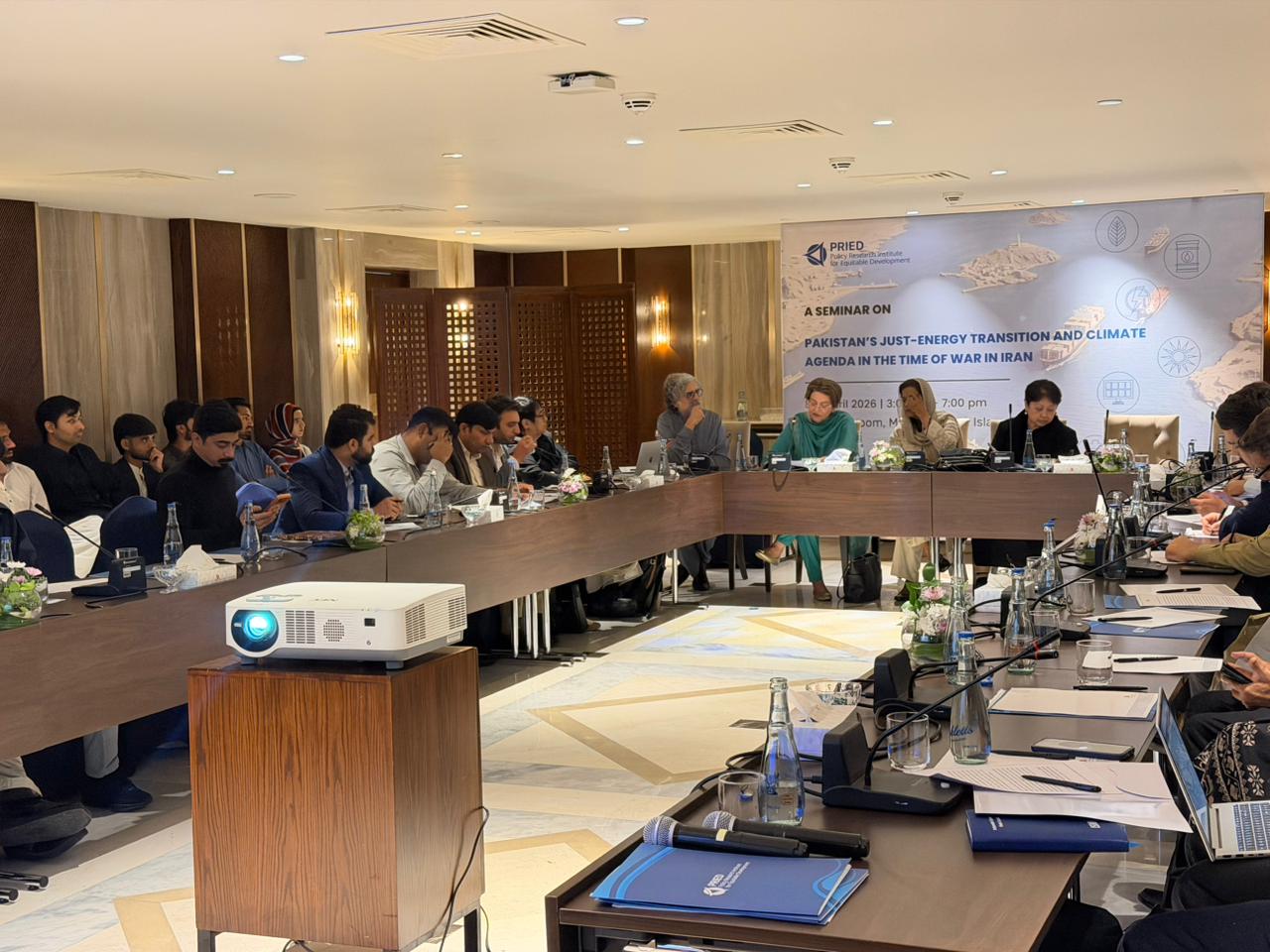
The ongoing war in and around Iran and the consequent disruption of critical energy supply routes have exposed Pakistan’s deep structural dependence on imported fossil fuels such as oil, coal and liquified natural gas (LNG). With rising fuel prices in international markets, increased fuel import bills and their mounting pressure on foreign exchange reserves as well as the serious challenges these factors are posing to Pakistan’s energy supplies and energy security, the conflict has intensified the countries vulnerabilities—rising energy prices supply concerns, driving inflation that disproportionately impacting lower-income households and renewing interest among policymakers to mine more indigenous coal and use it for power generation. Rather than being a temporary shock, the war and its impacts reflects broader systemic
challenge: that Pakistan has an energy model that is both economically unsustainable and geopolitically fragile. At the same time, it has created an urgency to rethink the country’s energy and climate trajectories, raising questions about energy security, energy affordability and a sustainable and just energy transition. Importantly, the crisis also underscores the country’s climate imperative: continued reliance on fossil fuels not only deepens economic vulnerability but locks us into high-emission energy consumption, undermining our climate commitments and increasing our exposure to
future carbon-related trade and financial risks.
Related Items
No videos available
No links available
No links available